
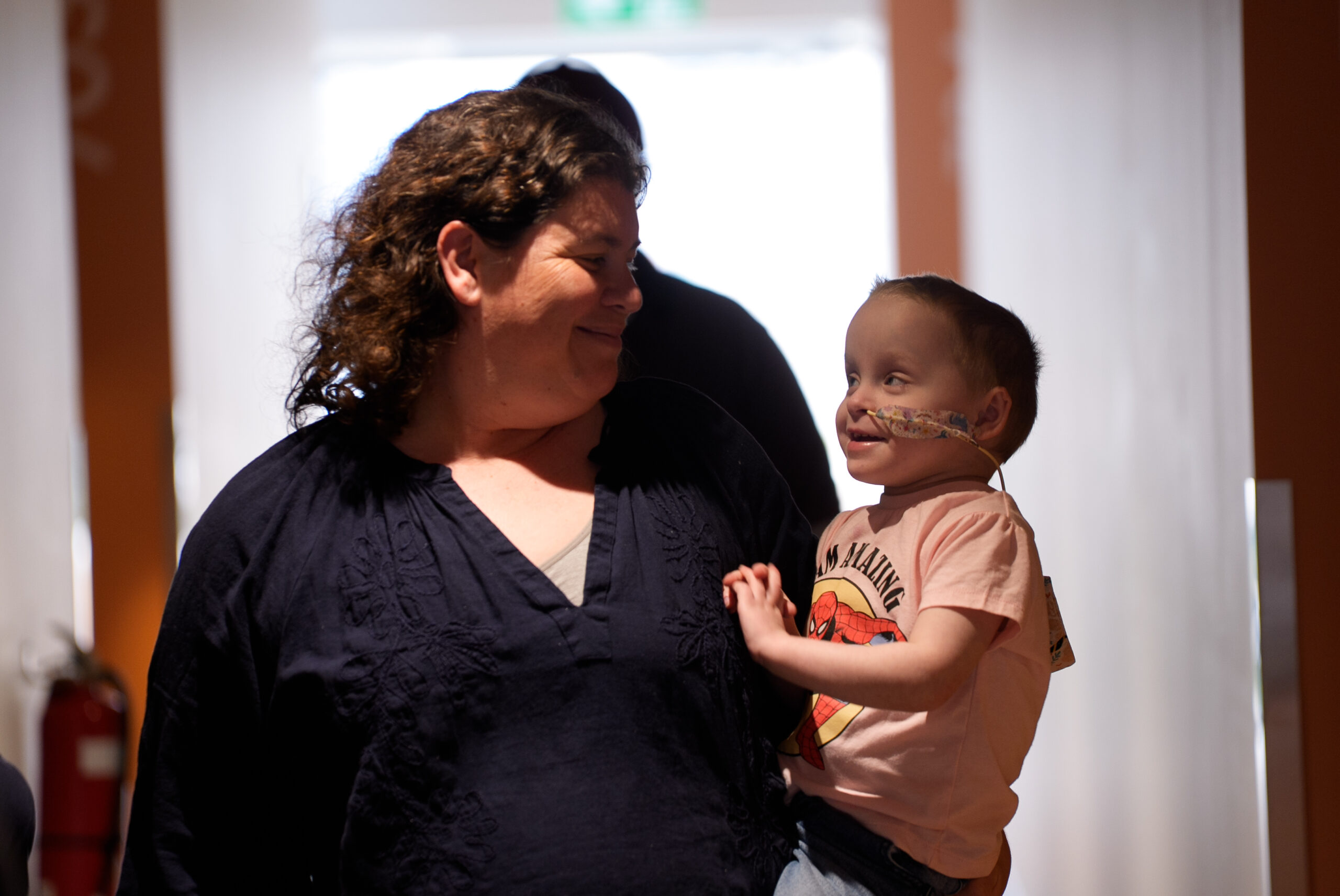
When two-year-old Cara was diagnosed with Stage 4 neuroblastoma, her family’s world changed overnight.
The rare childhood cancer diagnosis meant Cara would need to remain close to the Queensland Children’s Hospital for intensive treatment over the next 18 months. For most families, that would be challenging. For Cara’s family of 10, it seemed almost impossible.
With eight children to care for, her parents were suddenly faced with difficult decisions about how to keep their family together while ensuring Cara received the specialised treatment she needed.
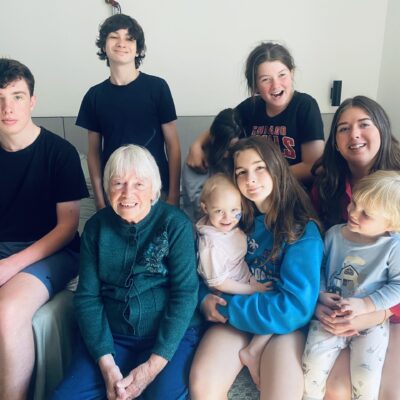
While the family’s two eldest children remained at home to continue their senior schooling and university studies, the rest of the family uprooted their lives and relocated to Brisbane to be by Cara’s side.
At a time when childhood cancer threatened to pull them apart, Ronald McDonald House South East Queensland gave them the opportunity to stay connected, close to care and close to each other.
In August 2025, Cara had been unwell with Influenza A for several weeks. Her enlarged lymph nodes were initially thought to be connected to the virus, but as her symptoms persisted, her family continued searching for answers.
Following multiple visits to healthcare providers and further investigations, an X-ray revealed a mass in Cara’s chest and neck. She was transferred to Queensland Children’s Hospital, where additional scans and a biopsy confirmed she had Stage 4 neuroblastoma.
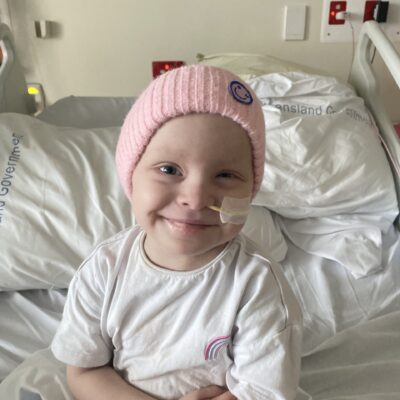
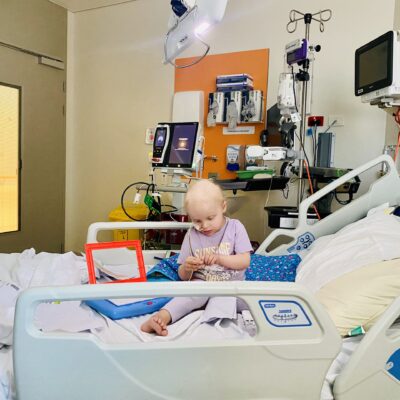
Treatment for neuroblastoma often leaves children with dangerously low immunity, placing them at risk of neutropenic fevers that require urgent medical care.
For Cara, staying close to the hospital wasn’t optional.
The family initially considered having Cara and her mum relocate alone for the duration of treatment, but the emotional impact on their children would have been enormous.
With the support of hospital social workers and the welfare team, the family were able to stay at Ronald McDonald House South East Queensland South Brisbane, a place that met the unique needs of their large family.
For the first year, the family lived across two adjoining rooms, using shared kitchen and laundry facilities. More recently, they moved into the newly developed accommodation on Level 7, designed for larger and long-stay families.
Those seemingly simple comforts have made a world of difference.
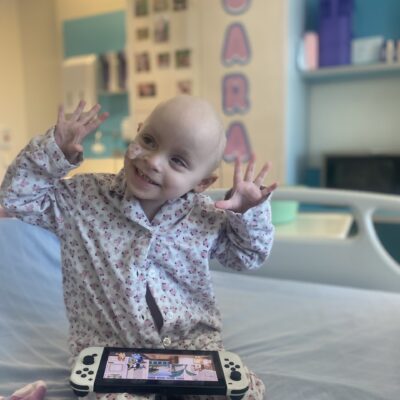
Throughout their stay, Cara has demonstrated incredible resilience.
Her treatment journey has included:
Throughout every stage of treatment, one thing remained constant: being surrounded by family.
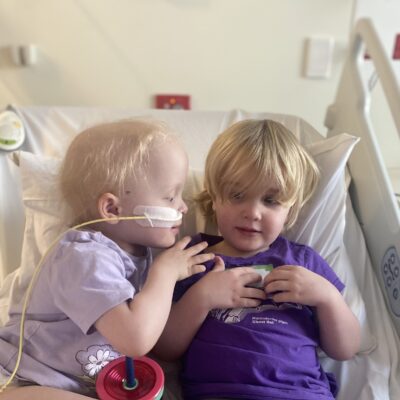
Cara’s parents genuinely believe returning to her siblings between treatments has played an important role in her recovery. Her brothers and sisters have celebrated victories, comforted her through difficult days, and remained close throughout a journey that could easily have separated them.
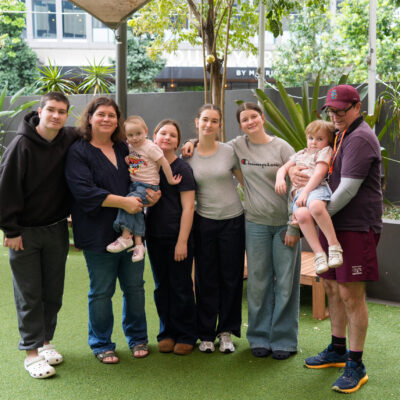
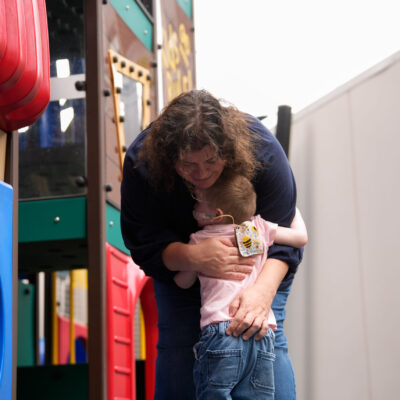
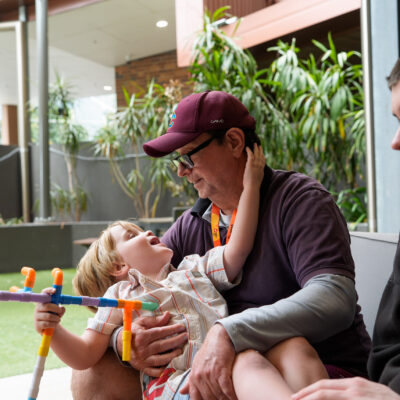
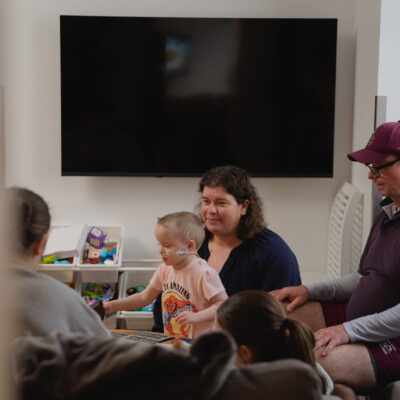
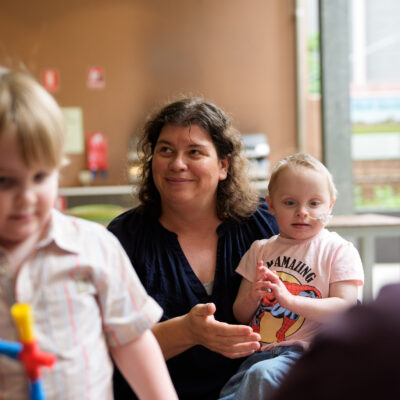
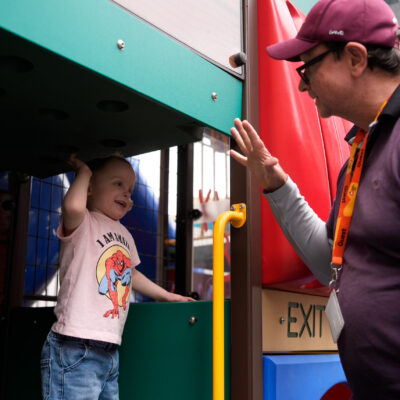
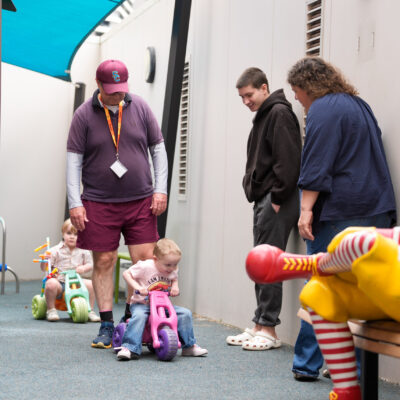
After more than 13 months living in Brisbane, South Brisbane House has become much more than accommodation for Cara and her family.
Cara and her twin brother Dylan were just two-and-a-half years old when they arrived, and today, they know no other home.
One moment stands out above all others. After spending five weeks isolated from her family during a stem cell transplant, Cara finally returned to South Brisbane House.
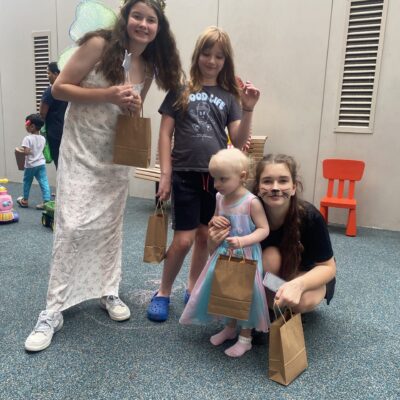
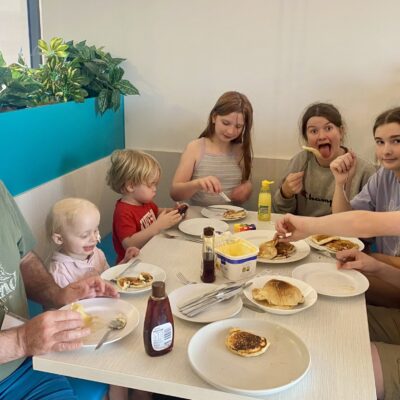
Over the past year, the family have celebrated birthdays, Christmas, Easter and other special days together at South Brisbane House, creating precious moments of normality throughout Cara’s treatment journey.
It’s often been the simple acts of kindness that have made the biggest difference, from home-cooked meals from the Meals from the Heart program to friendly check-ins from employees and volunteers.
Cara has now completed over 12 months of intensive treatment and has now begun her immunotherapy journey.
Whilst there have been some complications along the way, the family can finally begin looking beyond treatment and towards returning home to Tamborine Mountain together.